
Environmental Health and Mental Health Awareness Programme

About Campaign
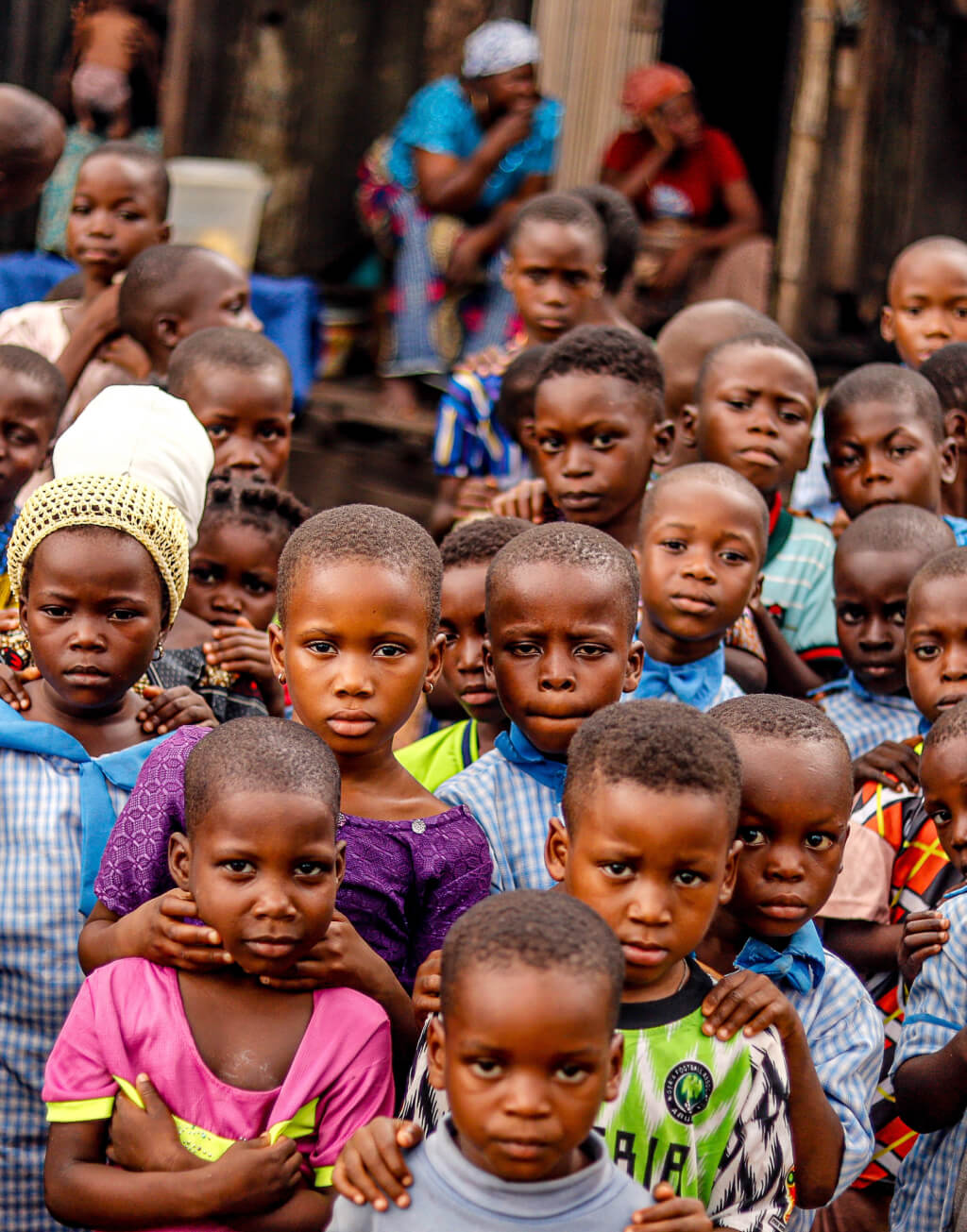
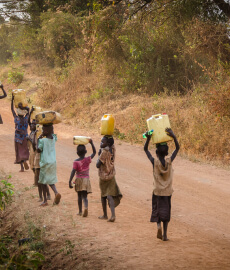
Access to clean water, adequate sanitation, and hygiene remains a critical challenge in many underserved communities across Northern Nigeria. Poor WASH conditions contribute significantly to preventable diseases, high child and maternal morbidity and mortality rates, and reduced overall quality of life.
Environmental factors such as poor waste management, climate-related risks, and unsafe water sources further worsen public health outcomes. Pregnant women, children, and other vulnerable groups are particularly affected due to weakened immunity and limited access to healthcare services.
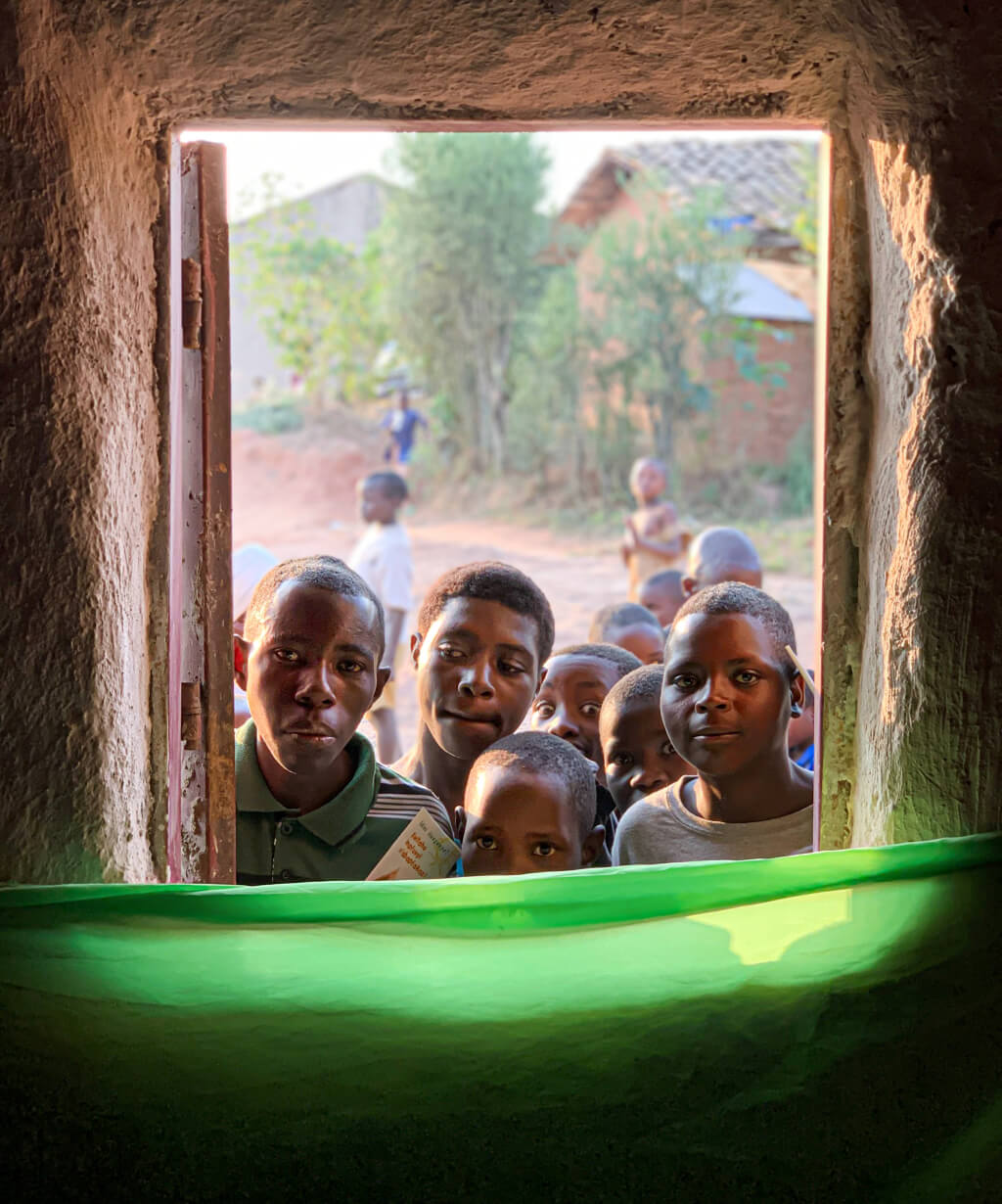
In addition, mental health remains a neglected area of public health, often surrounded by stigma, low awareness, and lack of access to support services. Stress, poverty, and social challenges continue to affect the psychological well-being of individuals and families, especially women and youth.
SDHDI recognizes that holistic development must include physical, environmental, and mental well-being to achieve sustainable community progress.
Goal: To improve public health and quality of life through integrated interventions in clean water access, sanitation, environmental health, and mental health awareness.
Campaign Objectives
- Promote access to safe and clean water in vulnerable communities
- Improve sanitation and hygiene practices to reduce disease prevalence
- Raise awareness on environmental protection and climate-related health risks
- Reduce maternal and child health risks associated with poor WASH conditions
- Promote mental health awareness, education, and early intervention
- Reduce stigma surrounding mental health in communities
Key Activities
- Community-based WASH education and hygiene promotion campaigns
- Support for clean water access initiatives (boreholes, water points, sanitation facilities where possible)
- Environmental cleanliness and waste management sensitization
- Health outreach programmes for pregnant women and mothers
- Community health talks on disease prevention and hygiene practices
- Mental health awareness campaigns and psychosocial education sessions
- Training of community volunteers on basic mental health awareness and referral pathways
Monitoring and Evaluation
- Community health and hygiene assessment reports
- Participation in WASH and mental health awareness sessions
- Disease trend monitoring in target areas (where data is available)
- Beneficiary feedback and case documentation
- Periodic evaluation and field supervision
Target Beneficiaries
- Orphans and orphan-headed households
- Widows and female-headed households
- Low-income and vulnerable families
- Children and individuals in underserved communities
Expected Outcomes
- Improved access to clean water and sanitation facilities
- Reduced incidence of preventable diseases linked to poor hygiene
- Improved maternal and child health outcomes
- Increased community awareness of environmental health and climate risks
- Reduced stigma and improved understanding of mental health issues
- Enhanced overall well-being and quality of life in target communities
Implementation Strategy
SDHDI will implement this programme through community engagement, partnerships with local health authorities, and collaboration with environmental and public health stakeholders. The approach will emphasize education, prevention, and community ownership to ensure sustainability.
Sustainability & Partnerships
SDHDI will work closely with government health agencies, local authorities, and development partners to strengthen WASH infrastructure and mental health awareness systems. Community ownership, education, and continuous engagement will ensure long-term sustainability.