
Humanitarian Relief Programme

About Campaign
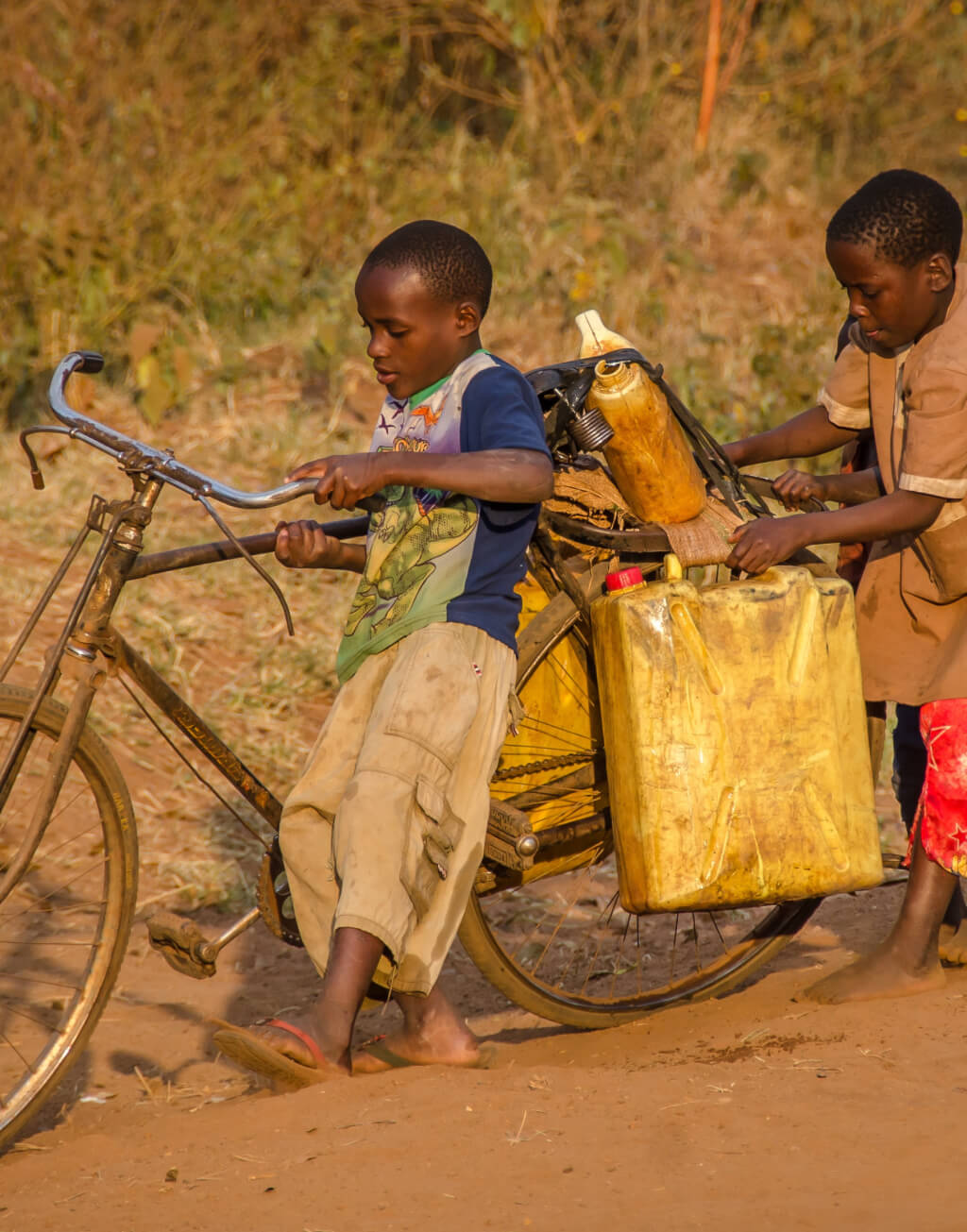
Humanitarian needs remain a persistent challenge among vulnerable populations in Nigeria, particularly in underserved communities where poverty, food insecurity, and limited access to basic services are prevalent. Seasonal periods such as Ramadan and Eid (Sallah) further intensify these challenges, as many low-income families struggle to meet their basic needs during these spiritually significant times.
Ramadan is a period marked by compassion, generosity, and social solidarity, while Eid al-Fitr (Sallah) represents joy, celebration, and dignity. However, for many vulnerable households including orphans, widows, and low-income families the inability to afford adequate food and appropriate clothing limits their full participation in these important occasions.
Goal: To improve the well-being and dignity of vulnerable populations through inclusive humanitarian assistance during Ramadan and Eid (Sallah).
Campaign Objectives
- Provide essential food support to vulnerable households during Ramadan
- Support vulnerable individuals and families with clothing for Eid (Sallah) celebrations
- Reduce hardship and promote dignity among underserved communities
- Strengthen social inclusion and community solidarity
Key Activities
- Distribution of Ramadan food packages (e.g., rice, grains, oil, and other essentials)
- Distribution of Sallah clothing items, especially for orphans and vulnerable individuals
- Identification and registration of beneficiaries through community-based systems
- Community sensitization to ensure fair and inclusive distribution
- Collaboration with donors, partners, and local stakeholders
- Post-distribution monitoring and reporting
Monitoring & Accountability
- Proper documentation of beneficiaries and distributions
- Monitoring visits and verification processes
- Feedback channels for beneficiaries and stakeholders
- Comprehensive post-distribution reports shared with partners and donors
Target Beneficiaries
- Orphans and orphan-headed households
- Widows and female-headed households
- Low-income and vulnerable families
- Children and individuals in underserved communities
Expected Outcomes
- Improved access to food during Ramadan
- Increased access to decent clothing for Eid (Sallah) celebrations
- Enhanced dignity and sense of inclusion among beneficiaries
- Reduced vulnerability and hardship in target communities
Implementation Strategy
SDHDI adopts a transparent, community-driven approach, working closely with local leaders, community groups, and volunteers to ensure fair beneficiary selection and distribution. The programme emphasizes accountability, inclusiveness, and cultural sensitivity.
Sustainability & Partnerships
SDHDI seeks to build long-term partnerships with donors, development partners, and community stakeholders to sustain and expand its humanitarian interventions, ensuring continued support beyond seasonal programmes.